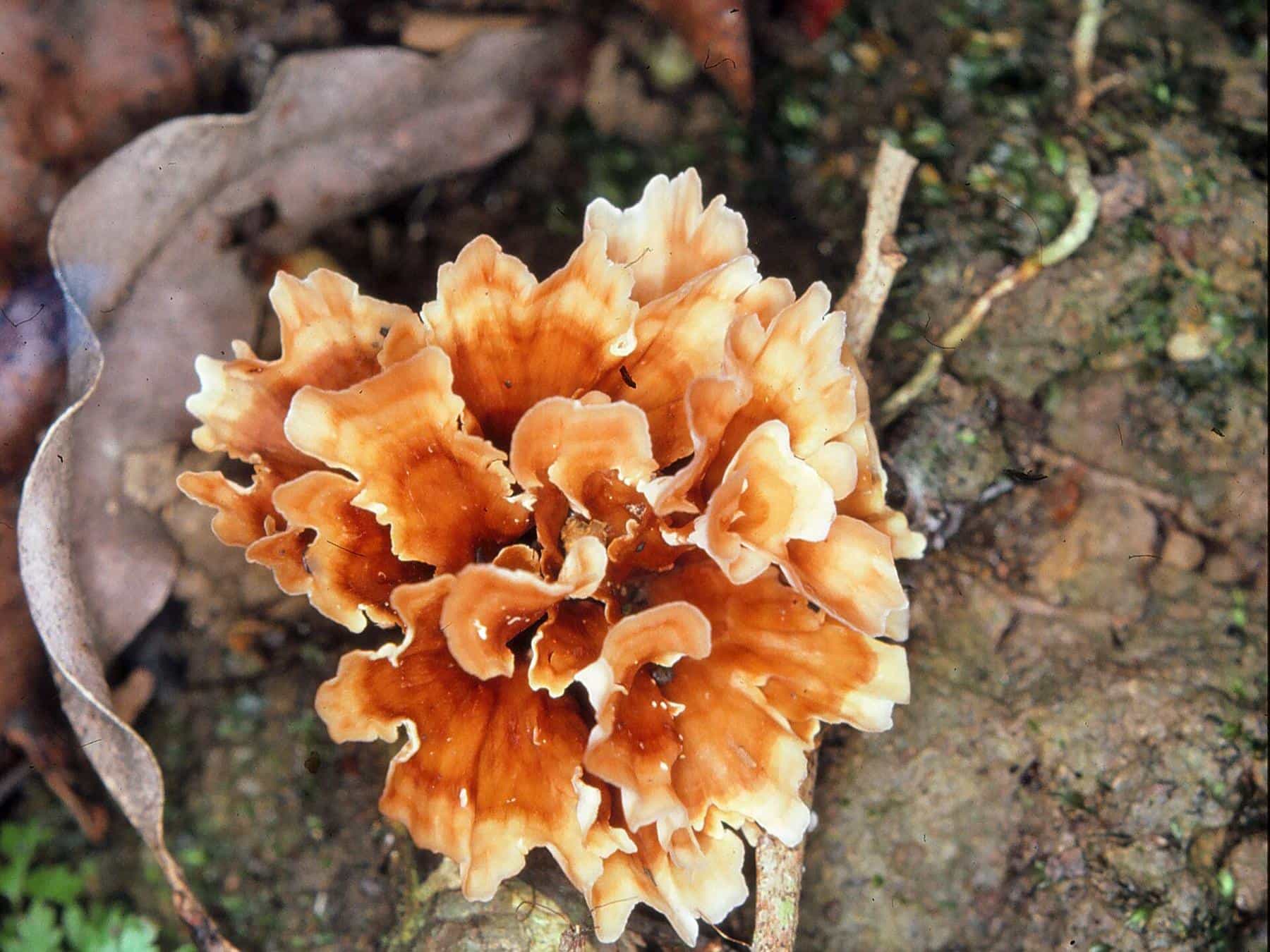
Mount Glorious is surrounded by D'Aguilar National Park, one of the largest national parks in South East Queensland and the closest to Brisbane. Around the village, the park protects some of the best subtropical rainforest on the range, and the walking tracks at Maiala make it easy to explore. This hub brings together our guides to the walks, the birds, the wildlife and the plants of the mountain.
5
Tracks from Maiala
1.2 km to 6.4 km
800+
Plant species
In the national park
66
Mammal species
Recorded in the park
The walks at a glance
The Queensland Parks and Wildlife Service (QPWS) maintains five walking tracks from the Maiala day-use area, plus others at Jollys Lookout, Boombana and Manorina on the drive up. The table lists the official distances, times and grades for the Maiala tracks.
| Track | Distance | Allow | Grade |
|---|---|---|---|
| Western Window track | 1.2 km return | 45 min | 3 |
| Rainforest circuit | 2 km circuit | 1 hr | 3 |
| Cypress Grove circuit | 2.5 km circuit | 1 hr 30 min | 3 |
| Greenes Falls track | 4.3 km return | 2 hr | 3 |
| Westside track | 6.4 km return | 3 hr | 4 |
For experienced walkers, the Aquila loop also starts at Maiala. QPWS lists it as a 24 kilometre Grade 4 loop along management roads, allowing six to ten hours, and suggests carrying the South D'Aguilar topographic map, which is sold at Walkabout Creek Discovery Centre.
Understanding track grades
QPWS classifies tracks under the Australian Standard, by their most difficult section. In practice:
- Grade 3 tracks suit walkers with some experience. Expect short steep hills, steps, roots and uneven surfaces. Most of the Maiala tracks are Grade 3.
- Grade 4 tracks are rougher and steeper, may be overgrown in places and suit experienced bushwalkers. The Westside track and Aquila loop are Grade 4.
Walking tracks are for pedestrians only. Bikes are not permitted on designated walking tracks, although mountain bikes can use most management roads.
Our walking guides
- Maiala rainforest walks covers the Rainforest circuit, Cypress Grove, Western Window and Westside tracks, with tips for each.
- Greenes Falls explains the most popular longer walk on the mountain, from the start at Maiala to the lookout above the falls.
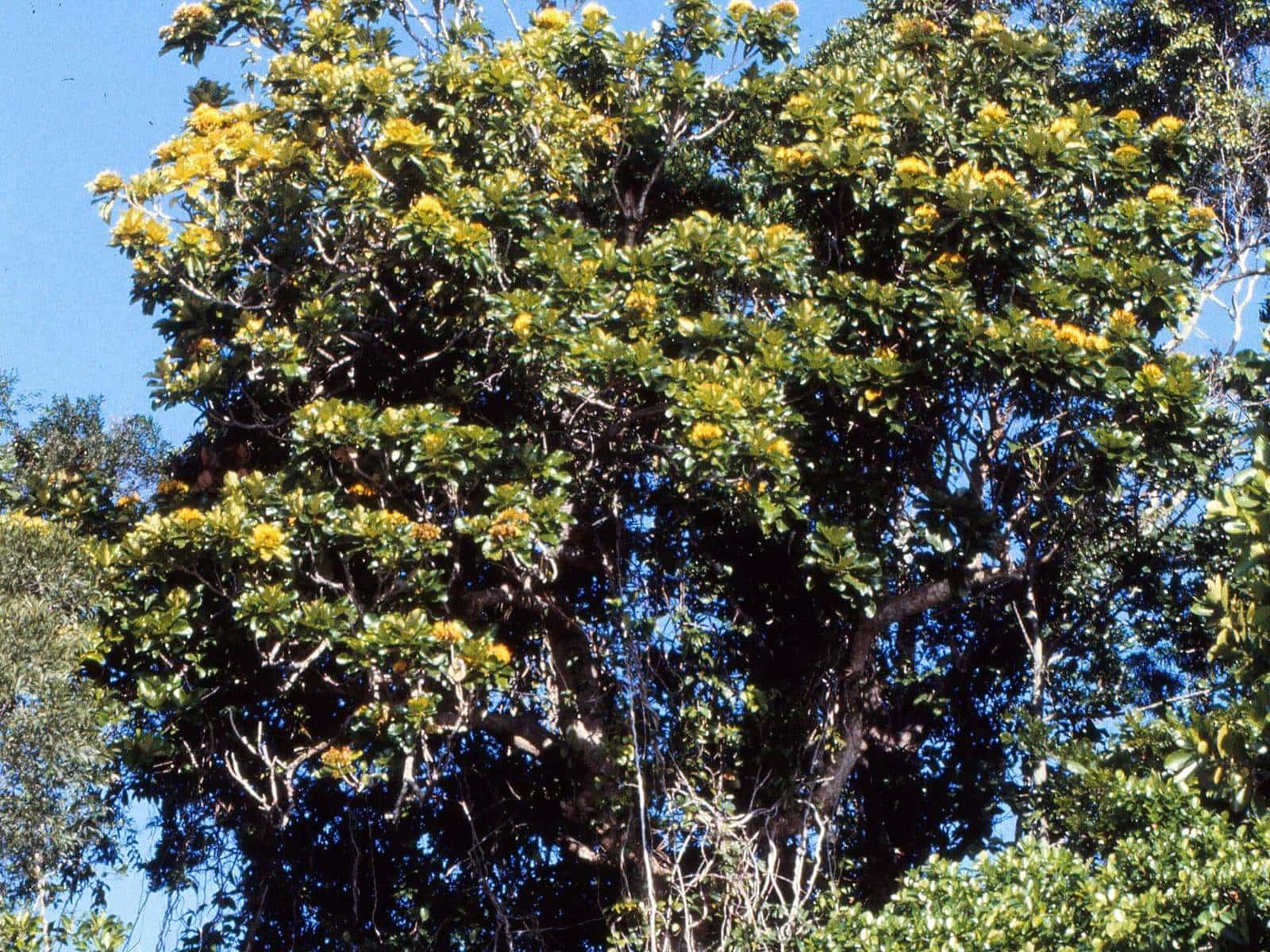
The forests of the range
The D'Aguilar Range is a patchwork of forest types, and a drive from The Gap to Mount Glorious passes through most of them.
On the drier, shallower soils of the foothills, eucalypt woodlands and dry forests dominate, with spotted gum and narrow-leaved ironbark among the main trees. Small areas of heath and ridges of grass trees appear here and there, and pockets of lowland rainforest follow some of the watercourses.
Higher up, with more rain and deeper soils, the forest becomes taller and more complex. Grey gum, pink bloodwood and brush box dominate, with an understorey of ferns, vines and shrubs.
On the highest parts of the range, where rainfall is about two-thirds greater than in the foothills, moist subtropical rainforest grows, especially on the rich basalt soils north of Mount Glorious. QPWS notes that pockets of rainforest are mostly found on southern slopes that have been protected from fire. Huge strangler figs emerge through the canopy here. Our rainforest plants guide explains how to recognise them.
Birds and wildlife
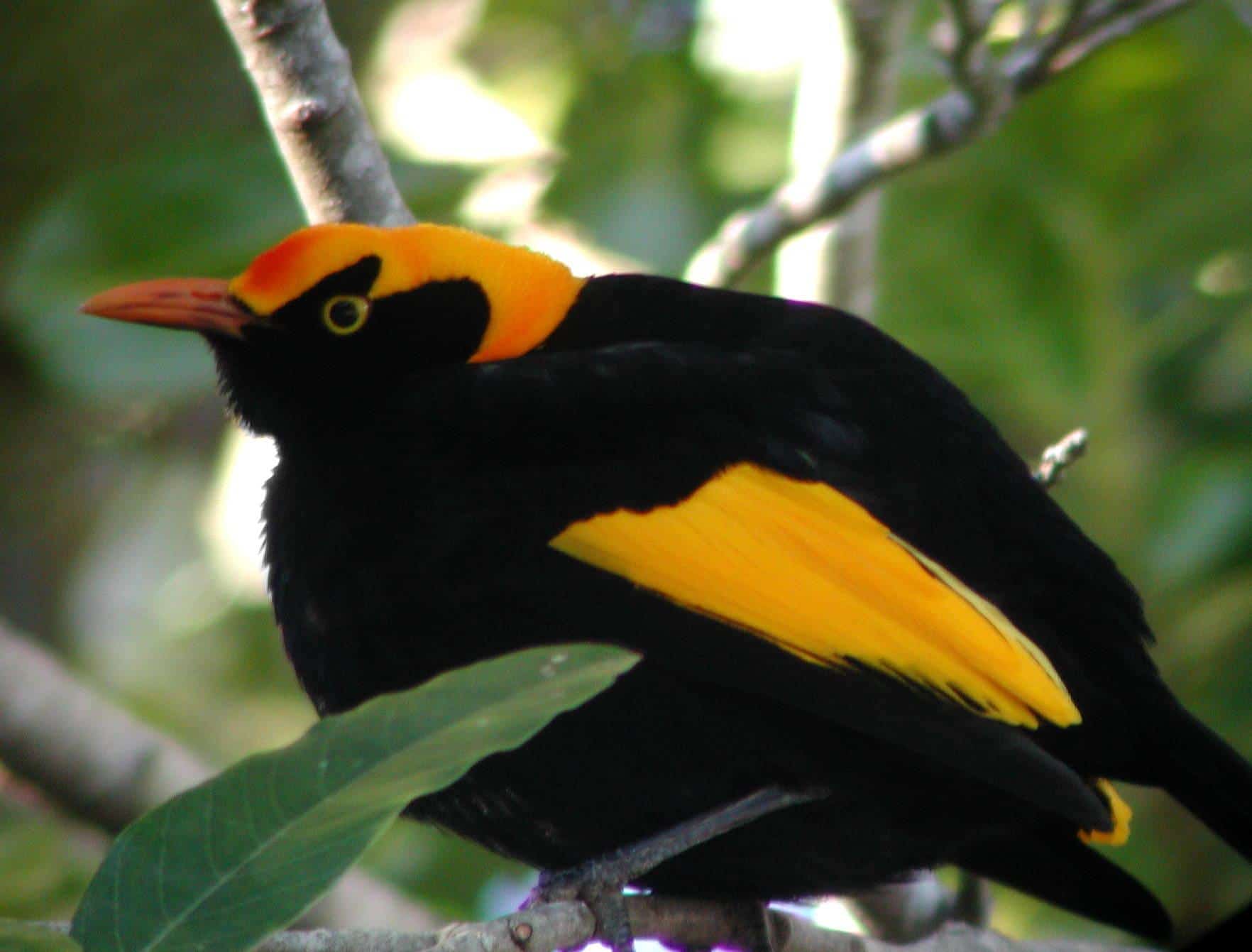
More than 240 species of birds have been recorded in D'Aguilar National Park, and the rainforest around Mount Glorious is one of the best places near Brisbane to find rainforest specialists. QPWS highlights bowerbirds, wompoo fruit-doves, bell miners and yellow-tailed black-cockatoos as birds you can often see or hear in the park. Our birds guide covers the species to look for and where.
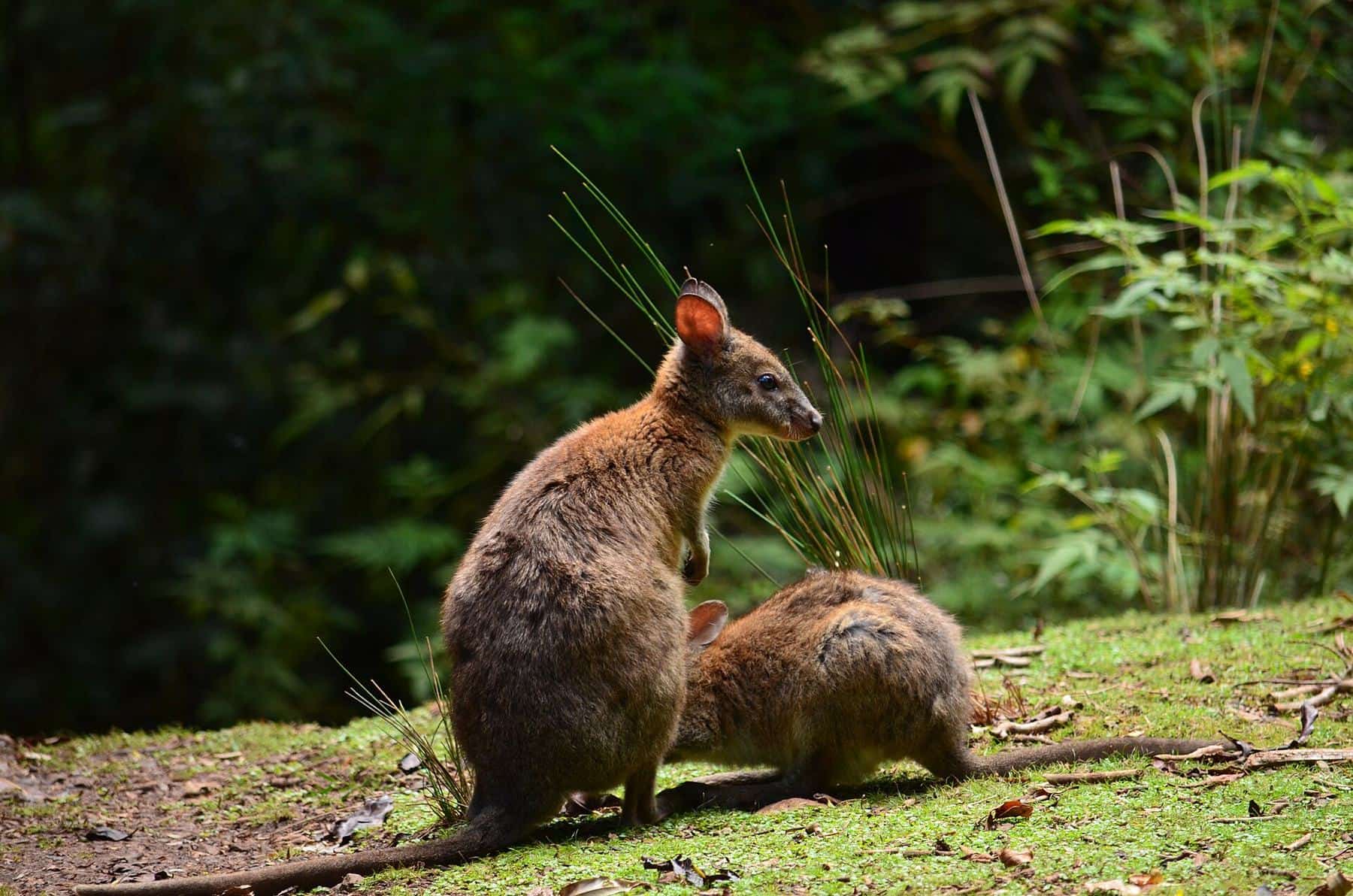
Sixty-six mammal species have been recorded in the park, from echidnas and platypus to red-necked pademelons, possums and gliders. The park is also home to 26 recorded frog species and reptiles such as the lace monitor and the land mullet, a large glossy black skink. Some animals are found almost nowhere else, including the Mount Glorious spiny crayfish, which lives only in the creek systems of Mount Glorious. See our wildlife guide.
When to walk
The rainforest is enjoyable all year, but conditions change with the seasons:
- Summer brings heat, humidity, storms and the most rain. Early mornings are best, and some tracks may close after heavy storms.
- Autumn and spring are generally pleasant for walking, with milder temperatures.
- Winter is cool on the mountain and often dry, and clear days give the best views from Westridge and Wivenhoe outlooks. Mist is possible at any time.
Whatever the season, check QPWS park alerts for closures before you go.
Before you start a walk
0 of 7 done
Ticks are saved in this browser only.
Safety on the tracks
QPWS asks walkers to stay on designated tracks, because shortcuts cause erosion and damage plants, and they increase the risk of getting lost or injured. Carry enough water, wear sturdy shoes and allow extra time on the uphill return from Greenes Falls. Take care crossing Browns Road on the Cypress Grove and Greenes Falls tracks. On longer walks and management roads, carry a map and be aware that you may share the route with horse riders and mountain bikers; QPWS publishes a give way code for shared trails.
In an emergency, call Triple Zero (000). If you have no reception, try 112 from a mobile phone.
Guides in this section
Walks & nature
Maiala rainforest walks
The walking tracks at Maiala, Mount Glorious: Rainforest circuit, Cypress Grove, Western Window and Westside tracks, with official distances and grades.
Read · 6 min
Walks & nature
Greenes Falls
How to walk the Greenes Falls track from Maiala at Mount Glorious: route, official distance and time, what you will see, safety and the best time to go.
Read · 5 min
Walks & nature
Birds of Mount Glorious
Birdwatching at Mount Glorious and D'Aguilar National Park: noisy pittas, regent bowerbirds, paradise riflebirds and other rainforest birds, and where to look.
Read · 5 min
Walks & nature
Wildlife of Mount Glorious
The animals of Mount Glorious and D'Aguilar National Park: red-necked pademelons, land mullets, platypus, possums, frogs and the Mount Glorious spiny crayfish.
Read · 5 min
Walks & nature
Rainforest plants of Mount Glorious
How to read the forests of Mount Glorious: strangler figs, buttress roots, cycads, Sydney blue gums, hoop pine and the eucalypt forests of the D'Aguilar Range.
Read · 5 min
Frequently asked questions
What is the best walk at Mount Glorious?
For most visitors, the 2 kilometre Rainforest circuit at Maiala is the best introduction, taking about an hour. If you have two hours and do not mind an uphill return, the 4.3 kilometre Greenes Falls track leads to a lookout above the falls.
Are the Maiala walks suitable for children?
The Rainforest circuit, Western Window track and Cypress Grove circuit are Grade 3 tracks of 2.5 kilometres or less, which suit most families with school-aged children. Grade 3 tracks can have short steep hills, steps and uneven surfaces, so they are not suitable for prams.
Do I need a permit to walk?
No permit is needed for day walks. Permits and fees apply for camping at the remote bush camp sites in the southern section of the park.
Can I swim at Greenes Falls?
The track leads to a lookout above the falls. Stay on the track and behind barriers; wet rocks near waterfalls are slippery and dangerous.
What wildlife might I see?
Common sightings include brush-turkeys, bowerbirds, land mullets and, around dusk, red-necked pademelons. Platypus, echidnas and gliders live in the park but are harder to find.
Are there leeches?
Leeches are common in subtropical rainforest after rain. Long trousers tucked into socks and a quick check after your walk help.
Sources and further reading
Facts on this page were checked against these primary and official sources. Conditions change — confirm before you travel or buy.
- D'Aguilar National Park – Things to do — Queensland Parks and Wildlife Service
- D'Aguilar National Park – Nature, culture and history — Queensland Parks and Wildlife Service
- D'Aguilar National Park – About — Queensland Parks and Wildlife Service
- D'Aguilar National Park — Wikipedia