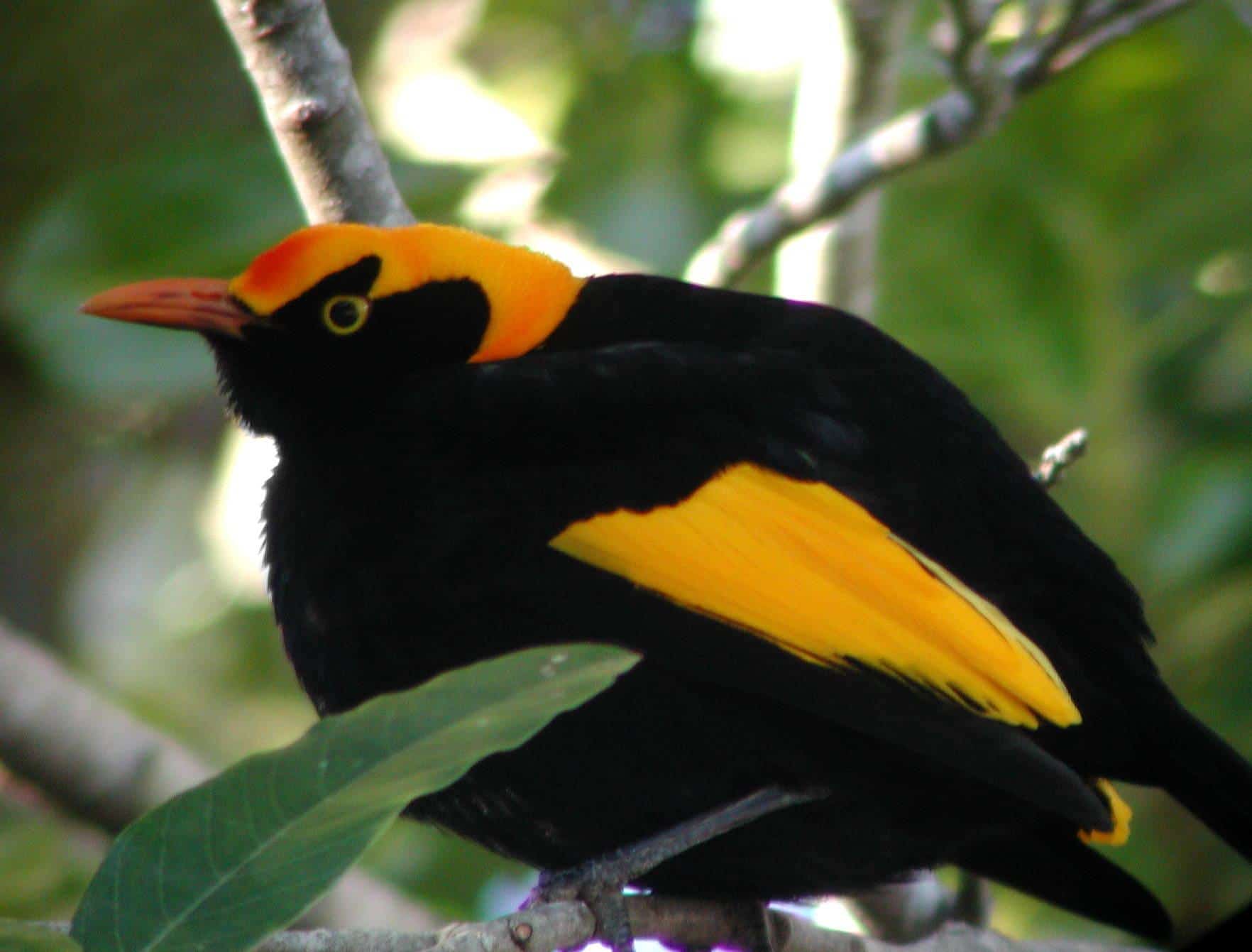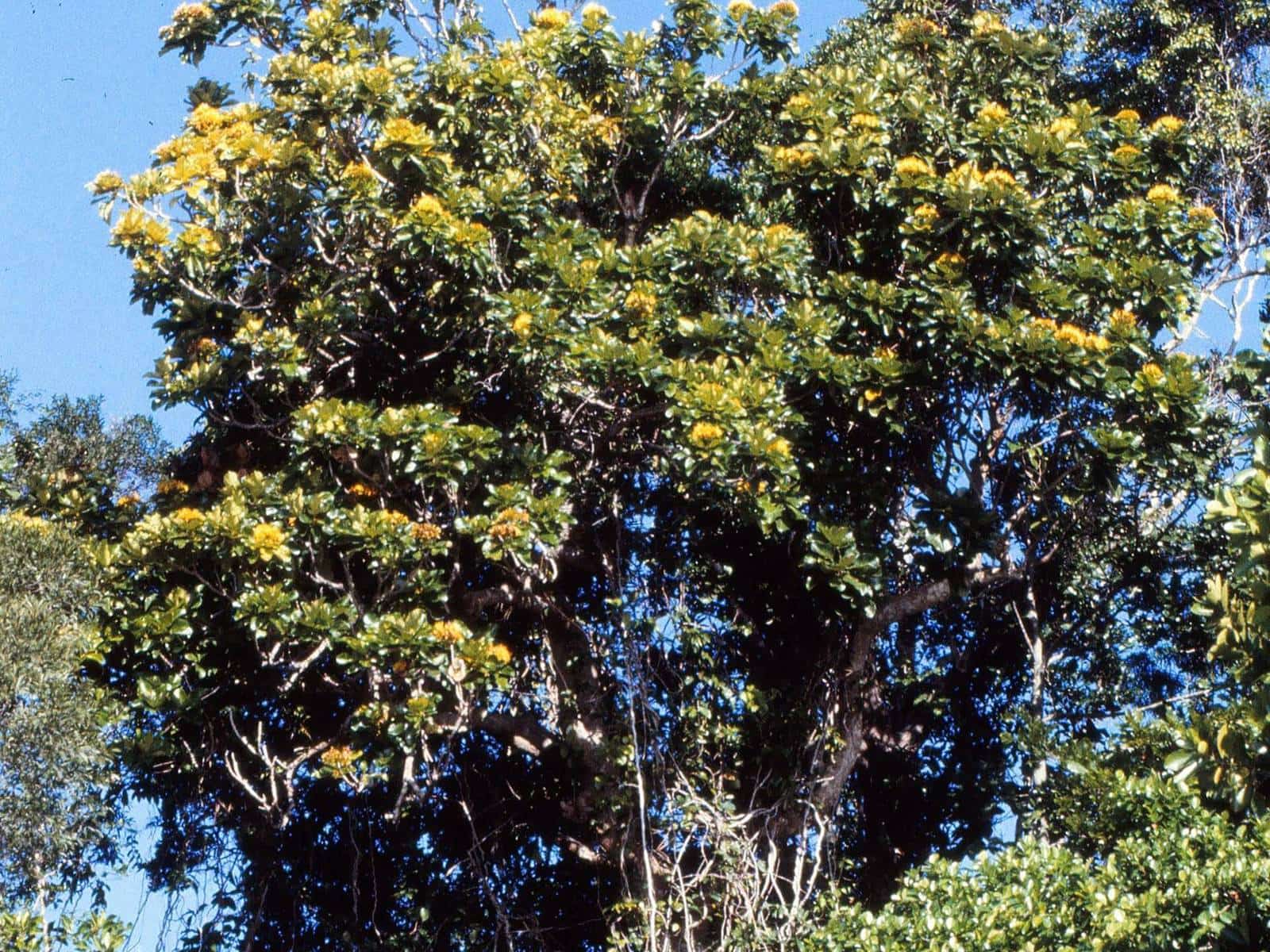
Mount Glorious is surrounded by habitat. The rainforest gullies, tall wet eucalypt forests and cool mountain creeks of D'Aguilar National Park support a remarkable range of animals, from familiar possums to species found only on this mountain. QPWS notes that more than 200 species of native animals are protected across the park's habitats. This guide introduces the wildlife you are most likely to meet, and a few you almost certainly will not, but which make the mountain special.
66
Mammal species
Recorded in the park
26
Frog species
Recorded in the park
1
Endemic crayfish
Only at Mount Glorious
Mammals
Sixty-six mammal species have been recorded in D'Aguilar National Park. Among them are the short-beaked echidna, platypus, red-necked pademelon, short-eared possum, common ringtail possum, northern brown and long-nosed bandicoots, long-nosed potoroo, flying foxes and insectivorous bats, several species of gliding possums and small numbers of koalas and kangaroos.
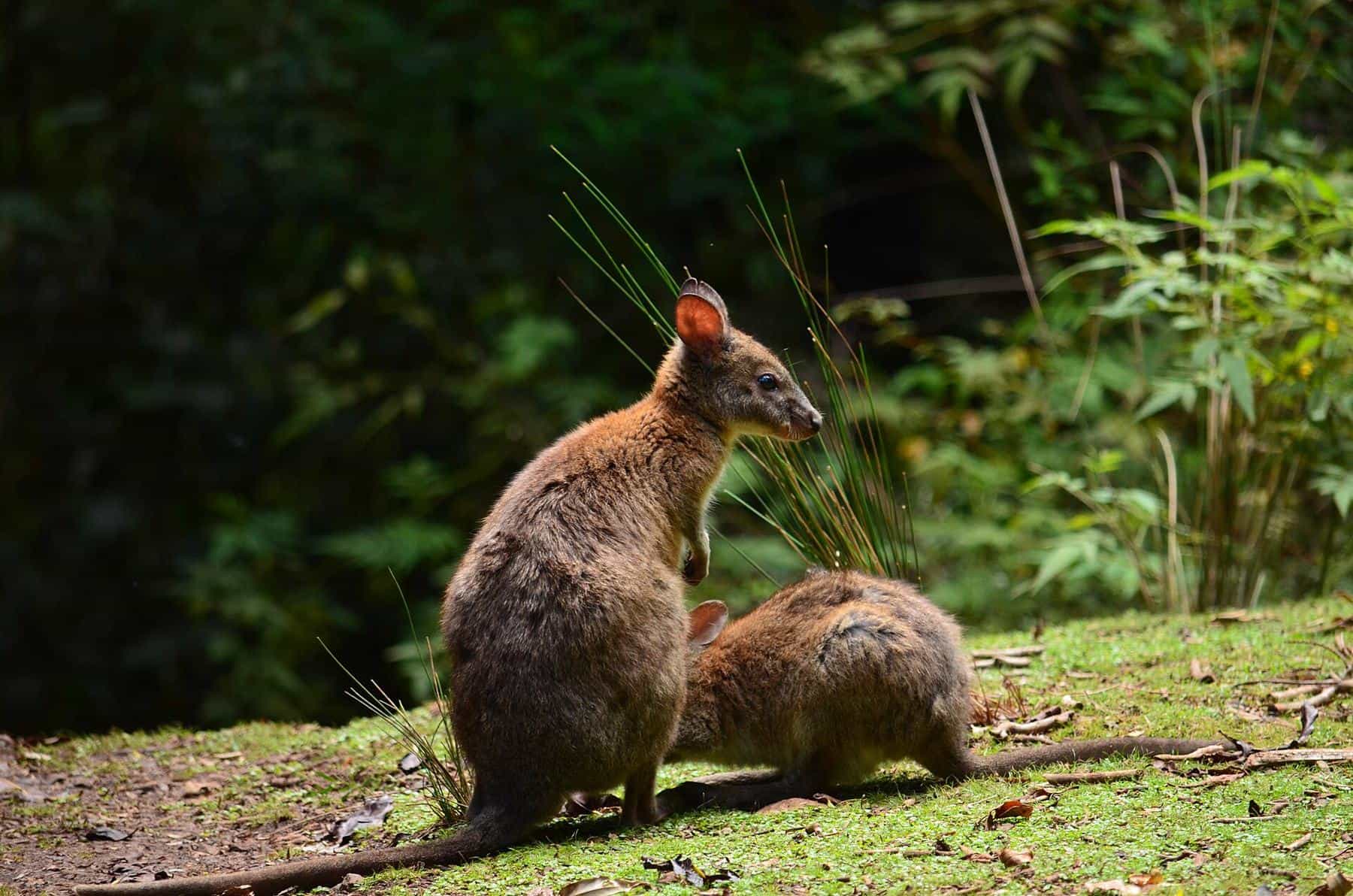
Red-necked pademelon
The animal you are most likely to see is the red-necked pademelon, a small forest-dwelling macropod with brown-grey fur, a cream belly and a reddish tint on the neck and shoulders. Its head and body measure 29 to 62 centimetres, with a tail of 27 to 51 centimetres. Pademelons are mainly crepuscular and very shy: they hide in the forest by day and emerge to graze at the forest edge around dusk.
Look for them along grassy verges and clearings in the early morning and late afternoon, and drive slowly at those times; they often cross the road.
Possums and gliders
The tall eucalypt forest comes alive at night. QPWS notes that yellow-bellied gliders and short-eared possums are active at night in the tall open forest. A spotlighting walk with a red-filtered torch along a road or track edge can reveal eyeshine in the canopy, though please keep beams brief and never shine lights directly at animals for long.
Platypus and echidnas
QPWS reports platypus sighted along permanently watered creeks and waterholes in the park. They are shy and most active around dawn and dusk; sit still and watch for the trail of bubbles and ripples. Echidnas are more widespread and can turn up almost anywhere, shuffling through leaf litter in search of ants and termites.
Lost and threatened mammals
Not every story is a happy one. The spotted-tailed quoll, a carnivorous marsupial, was once common in the D'Aguilar Range, but QPWS says it has not been sighted for many years.
Reptiles
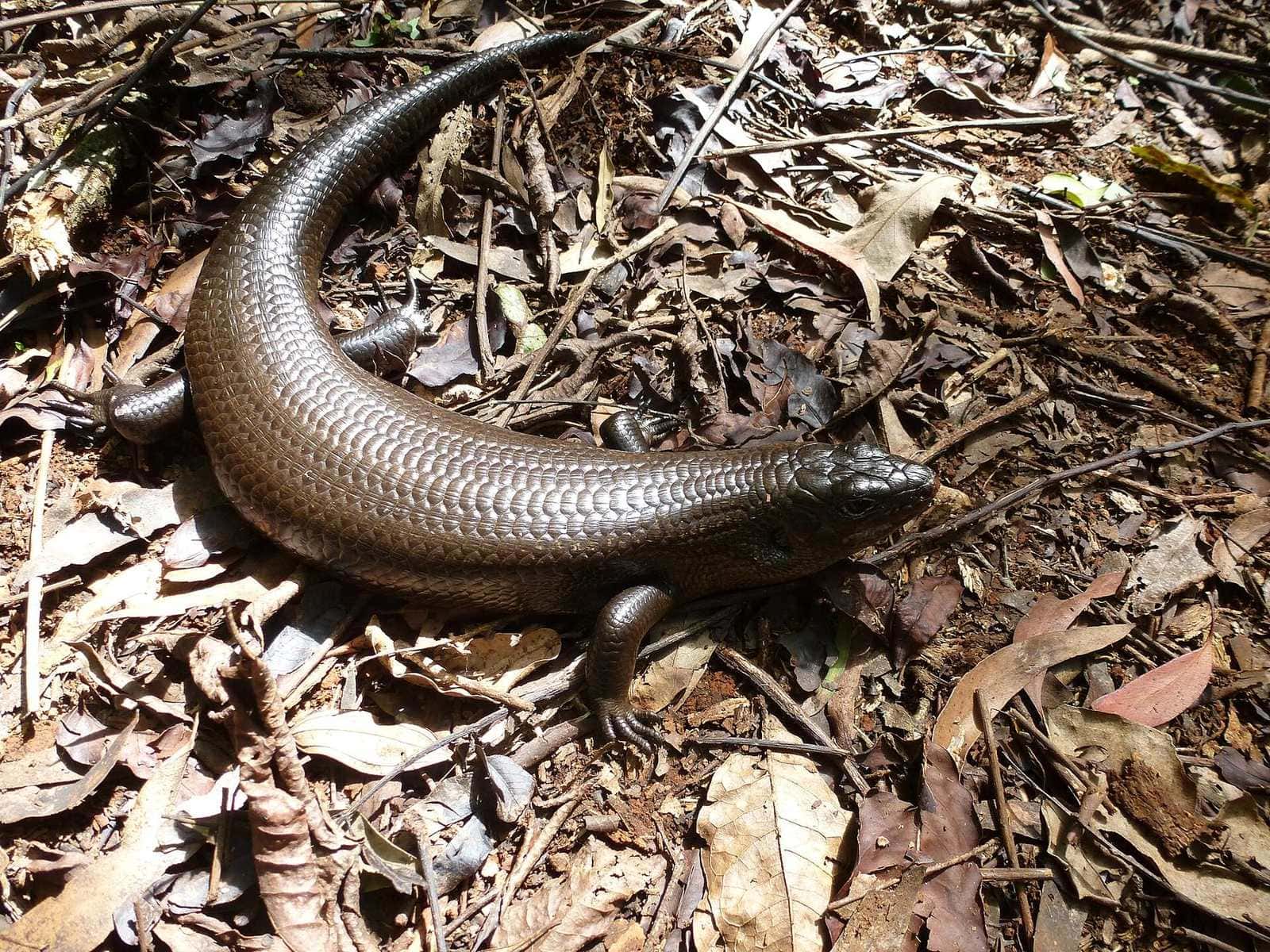
Land mullet
The land mullet is one of the largest members of the skink family, reaching total lengths of up to 60 centimetres. It is uniformly glossy black to brown, with a paler ring around the eye. Its dark colour and large size help it hold a body temperature of about 30 degrees Celsius, so it spends much of the day basking in patches of sun.
Land mullets live mainly in the rainforests of south-eastern Queensland and northern New South Wales, favouring places with plenty of fallen logs. They are usually shy and dash noisily for cover when disturbed, but in some popular national parks they have become used to people and scavenge at picnic sites. Please do not feed them. Their natural diet includes fungi, berries, seeds, insects and fallen fruit. The species is long-lived; one captive female lived for at least 23 years.
The name is said to come from the early twentieth century, when it was in common use around Tamborine Mountain, probably because the skink's blunt head and large scales resemble the mullet fish.
Lace monitor
The lace monitor, or tree goanna, is a large monitor lizard that climbs trees and patrols picnic areas. Give it space; goannas have sharp claws and can lash out if cornered.
Snakes
Snakes live throughout the park. Most will move away if given the chance. Watch where you put your feet and hands, stay on the track and never try to catch or kill a snake.
Frogs and creek life
Twenty-six species of frogs have been recorded in the park, including the great barred frog. Sadly, the most common amphibian in the park is the introduced cane toad.
The mountain streams hold some of the park's most special animals. QPWS lists:
- Mount Glorious spiny crayfish (Euastacus setosus), found only in the creek systems of Mount Glorious.
- Giant barred frogs and spiny crayfish in the mountain streams.
- Mount Glorious torrent frog, or southern dayfrog (Taudactylus diurnus), which lived only beside mountain rainforest streams and waterfalls in South East Queensland and has not been seen since 1979.
- Mount Glorious water spider (Ornodolomedes benrevelli), a newly described species.
If you spot a crayfish in a creek, enjoy it from a distance and leave it be. Everything in the national park is protected.
Invertebrates
Rainforests teem with small life. QPWS lists Hiller's snub-nosed katydid and the D'Aguilar Range assassin spider among significant species recorded in the park. On a damp day you may also notice snails, beetles and fungi on the forest floor, and leeches waiting on the track edges.
Where and when to look
- Dawn and dusk are the best times for pademelons, platypus and many birds.
- Forest edges and clearings around the picnic grounds attract grazing pademelons.
- Creeks along the Rainforest circuit and Greenes Falls track are worth watching quietly.
- Sunny patches beside tracks are where land mullets and lace monitors bask.
- Night, on roads or track edges near the village, is when gliders and possums are active. Stay safe, carry a torch and do not walk on roads.
Drive with care
Animals use the roads, especially around dawn and dusk. Slow down, watch the verges and be ready to stop. If you hit an animal and it is injured, pull over safely and call a wildlife rescue service or the RSPCA Queensland hotline for advice. Check pouches of dead marsupials for young, but only if it is safe to do so.
Wildlife watching checklist
0 of 6 done
Ticks are saved in this browser only.
Learn more
Walkabout Creek Discovery Centre, at the southern gateway to the park on Mount Nebo Road, has a wildlife centre where you can see native animals up close and learn more about the species of the range. It is a good stop with children before or after a visit to the mountain.
Frequently asked questions
What animals live at Mount Glorious?
D'Aguilar National Park has 66 recorded mammal species, including echidnas, platypus, red-necked pademelons, possums, bandicoots, gliders and small numbers of koalas, along with reptiles such as the lace monitor and land mullet and 26 recorded frog species.
What is a land mullet?
The land mullet is one of the largest skinks in the world's skink family, growing to around 60 centimetres. It is glossy black to brown and lives mainly in the rainforests of south-eastern Queensland and northern New South Wales.
What is the Mount Glorious spiny crayfish?
The Mount Glorious spiny crayfish, Euastacus setosus, is a freshwater crayfish that QPWS says is found only in the creek systems of Mount Glorious.
When is the best time to see pademelons?
Red-necked pademelons are mainly active at dawn and dusk, when they emerge from the forest to graze at its edges.
Are there platypus at Mount Glorious?
QPWS says platypus have been sighted in the park along permanently watered creeks and waterholes. They are shy and most active around dawn and dusk.
Are there dangerous animals?
Like most Australian forests, the park has snakes, ticks and leeches. Keep to the tracks, watch where you step and never try to handle wildlife.
Sources and further reading
Facts on this page were checked against these primary and official sources. Conditions change — confirm before you travel or buy.
- D'Aguilar National Park – Nature, culture and history — Queensland Parks and Wildlife Service
- D'Aguilar National Park – About — Queensland Parks and Wildlife Service
- D'Aguilar National Park — Wikipedia
- Land mullet — Wikipedia
- Red-necked pademelon — Wikipedia